Activity Identification
Identify R&D within business projects and assess the technical problems, experiments and new knowledge involved.

Identification and ongoing management of R&D activities for Australian companies.
EnquireEstablished in 2025 on the Gold Coast, Sans Peur Consulting brings together a team with 20 years’ experience in R&D tax claims.
The R&D Tax Incentive was developed to support Australian companies to undertake experimental work where technical outcomes and commercial returns are uncertain. By offsetting part of the cost, it supports the development of new and improved products, processes and systems, generating knowledge that can benefit the wider Australian economy.
Under current rules, eligible companies with aggregated turnover below $20 million can access a refundable tax offset equal to their company tax rate plus 18.5 percentage points. At a 25% company tax rate, that is 43.5 cents for each eligible R&D dollar. Companies with aggregated turnover of $20 million or more can access a non-refundable offset equal to their company tax rate plus 8.5 percentage points for eligible R&D expenditure up to 2% of total expenses, and plus 16.5 percentage points for the portion above that threshold.
Rates at 16 November 2026. Eligibility conditions, expenditure limits and adjustments apply. Offsets include the company tax-rate component. Current program information.
Sans Peur exists to identify, manage and document R&D activities and substantiate the associated expenditure for Australian companies.
Identify R&D within business projects and assess the technical problems, experiments and new knowledge involved.
Track R&D activities, experiments and results throughout the year, with supporting records captured as the work progresses.
Document the technical uncertainties, hypotheses, testing and findings that substantiate the R&D activities.
Identify eligible project costs, allocate expenditure to R&D activities and reconcile claim amounts to the company’s financial records.

Materials, methods and building performance.
New material formulations, structural systems and methods of assembly, from prototypes through to performance testing.
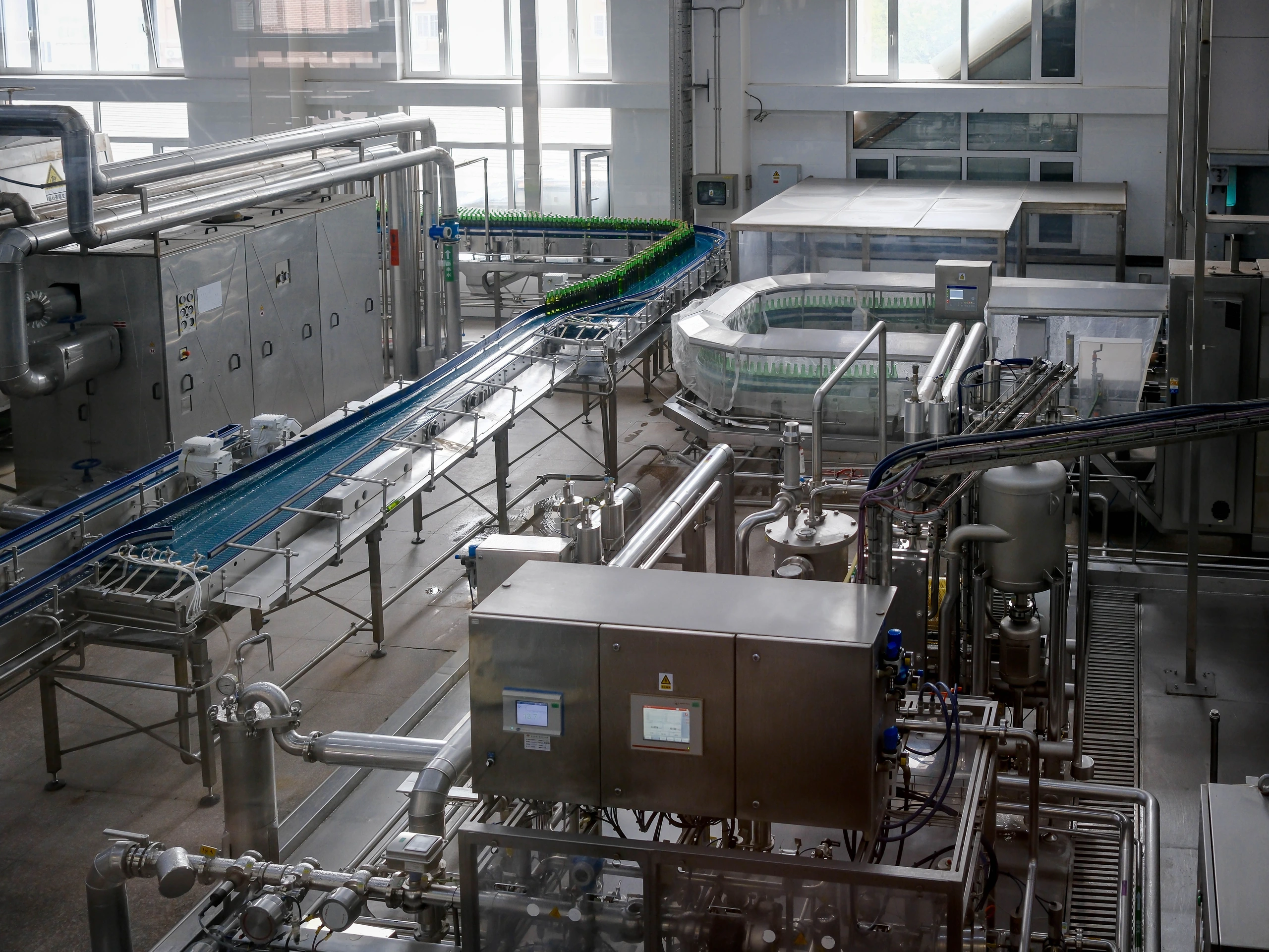
Product development and process engineering.
Material combinations, prototype testing and the development of production methods, including process control and automation.
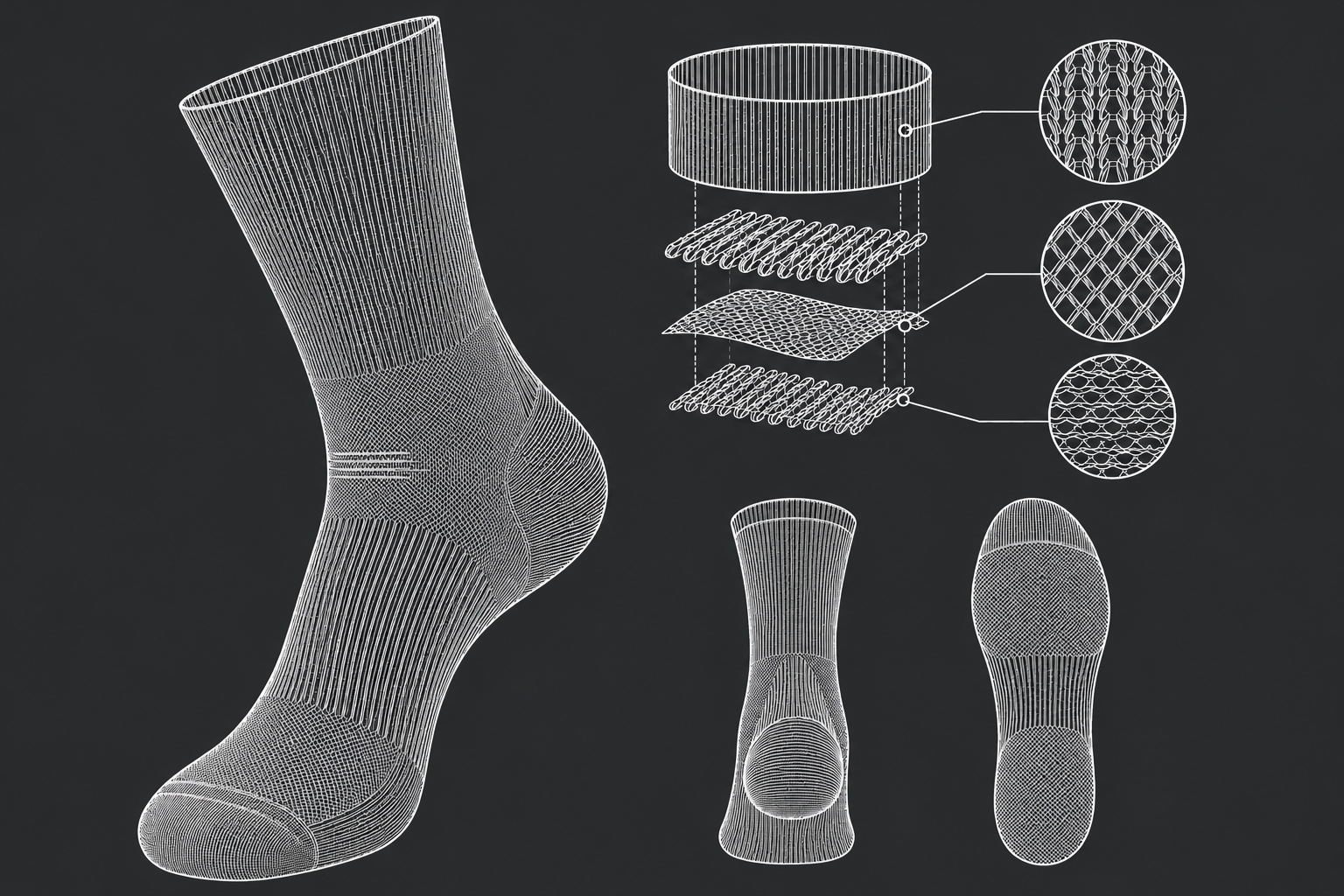
Textile engineering and material performance.
Fibre and yarn blends, fabric structures, coatings and treatments, and testing for strength, durability and moisture control.
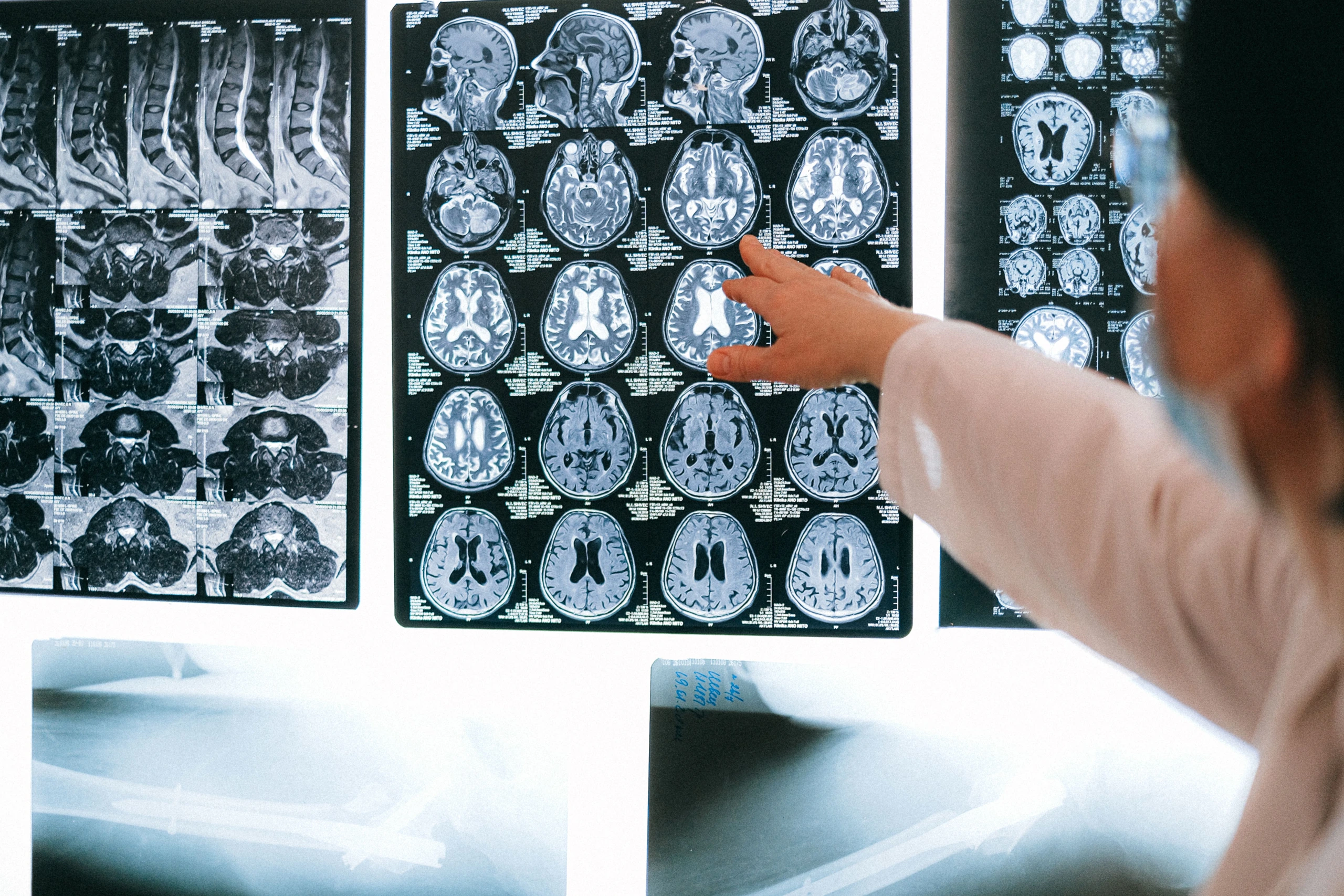
Imaging technology, scan protocols and diagnostic applications.
Diagnostic imaging, MRI sequences and image-guided procedures.

Recovery environments and human performance.
Contrast therapy, recovery protocols and the measurement of physical responses to different recovery methods.
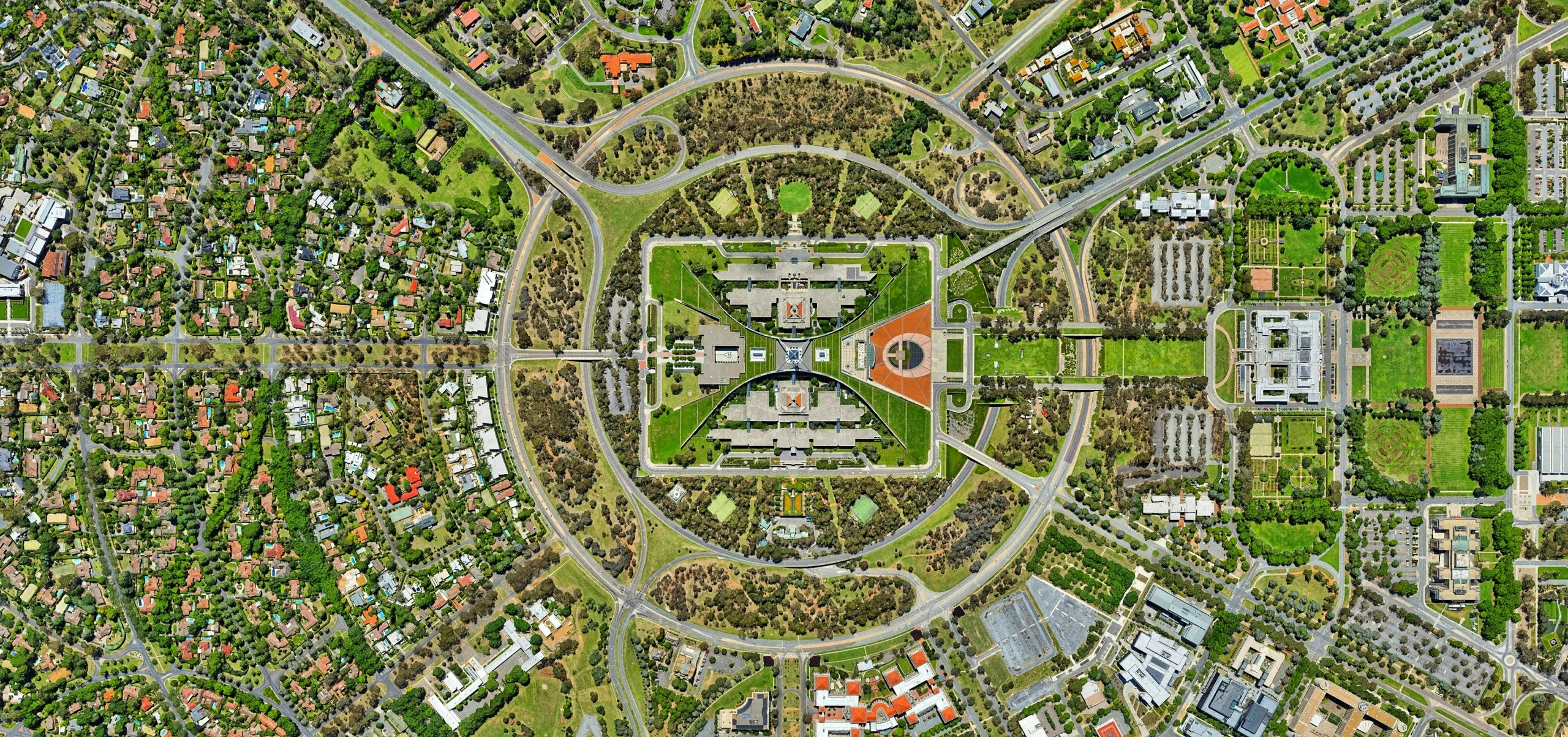
Property intelligence from complex data.
Spatial analysis: location, land and building data. Predictive models: forecasting and decision-support tools.
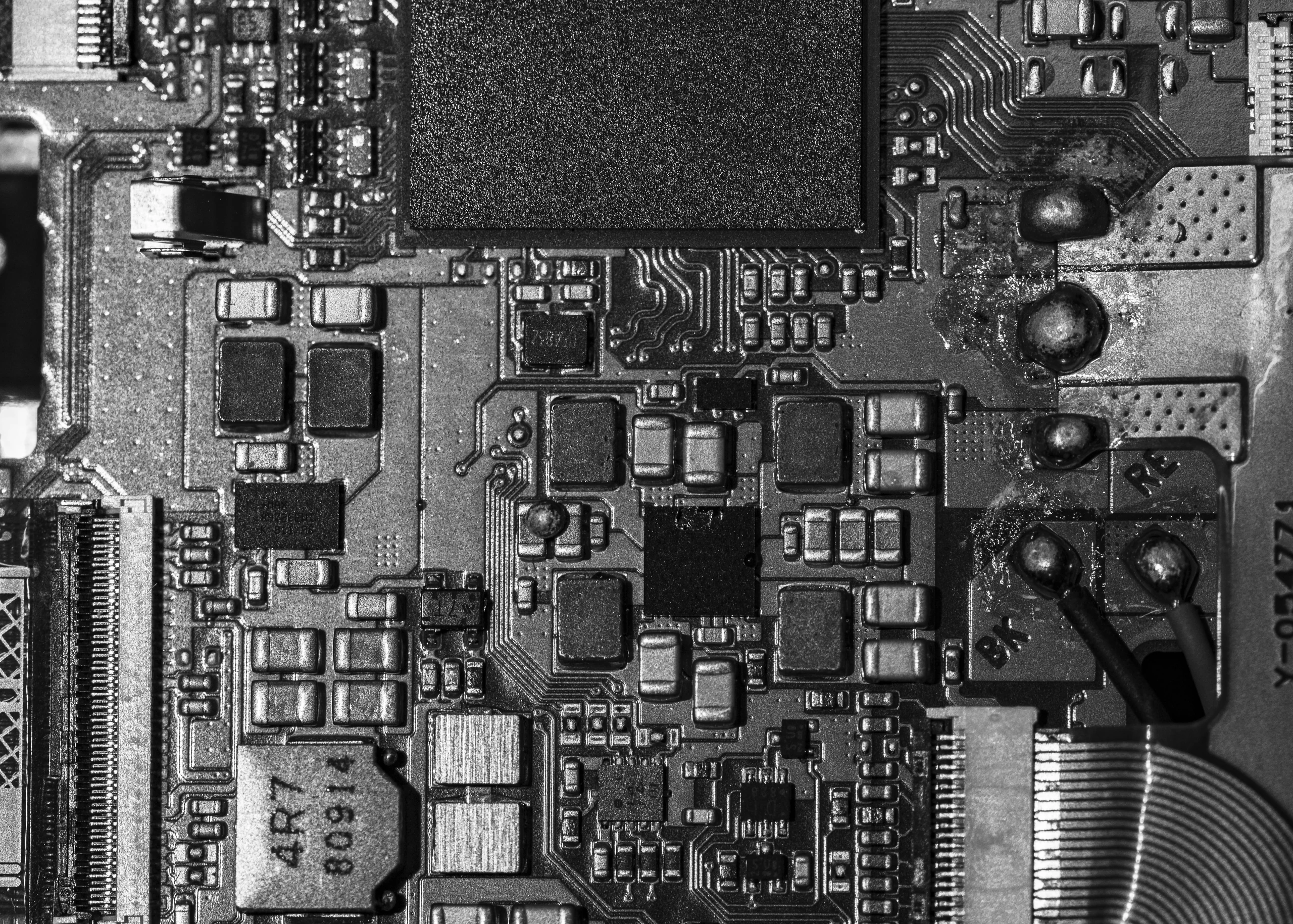
Software, AI and system architecture.
Machine-learning models, prototype algorithms, data-processing methods and system performance under demanding workloads. Financial technology examples include experimental payment processing and fraud detection systems.
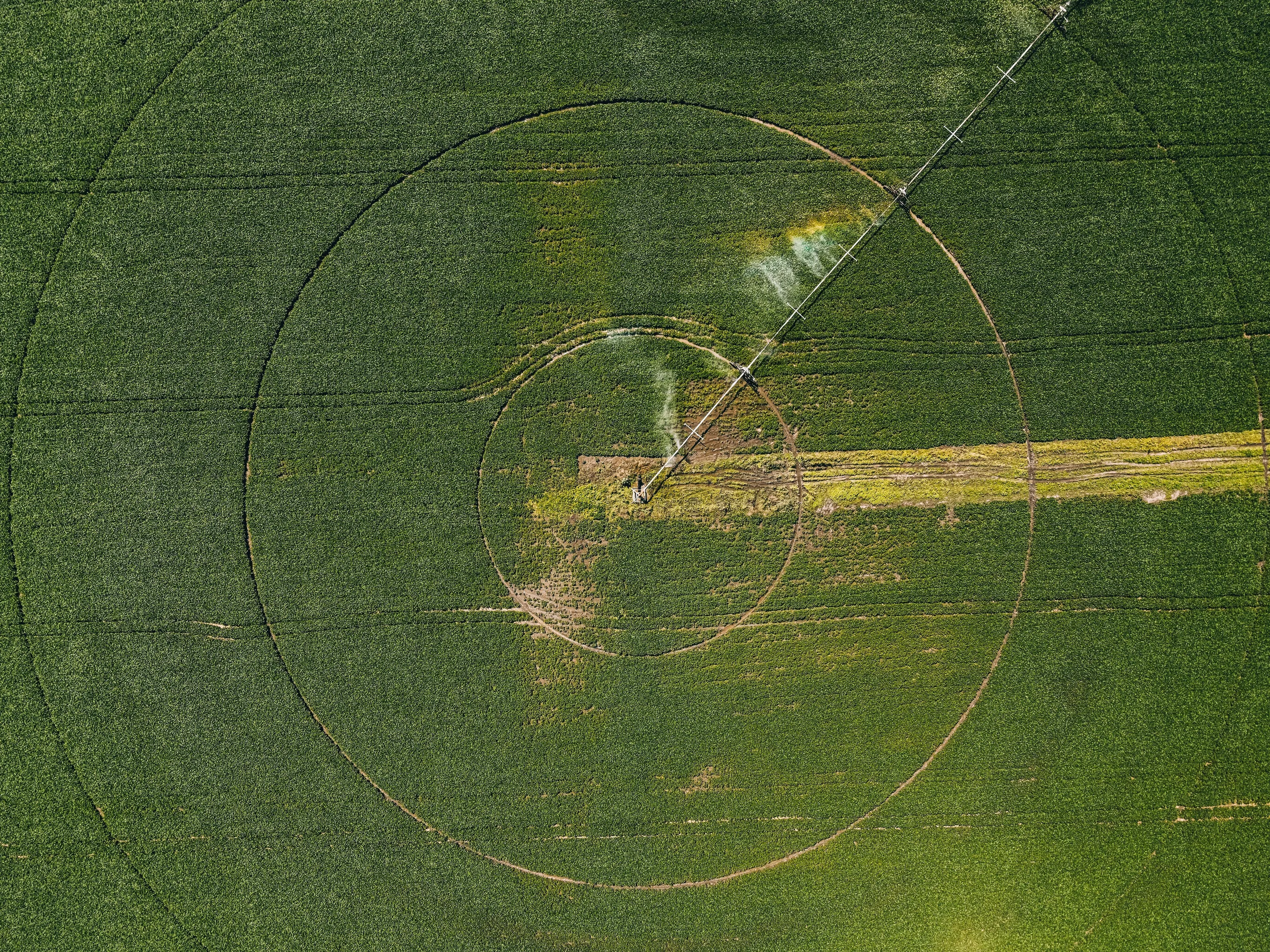
Growing systems and food technology.
Experimental crop and irrigation systems, food formulations and processing methods developed to resolve technical uncertainty.
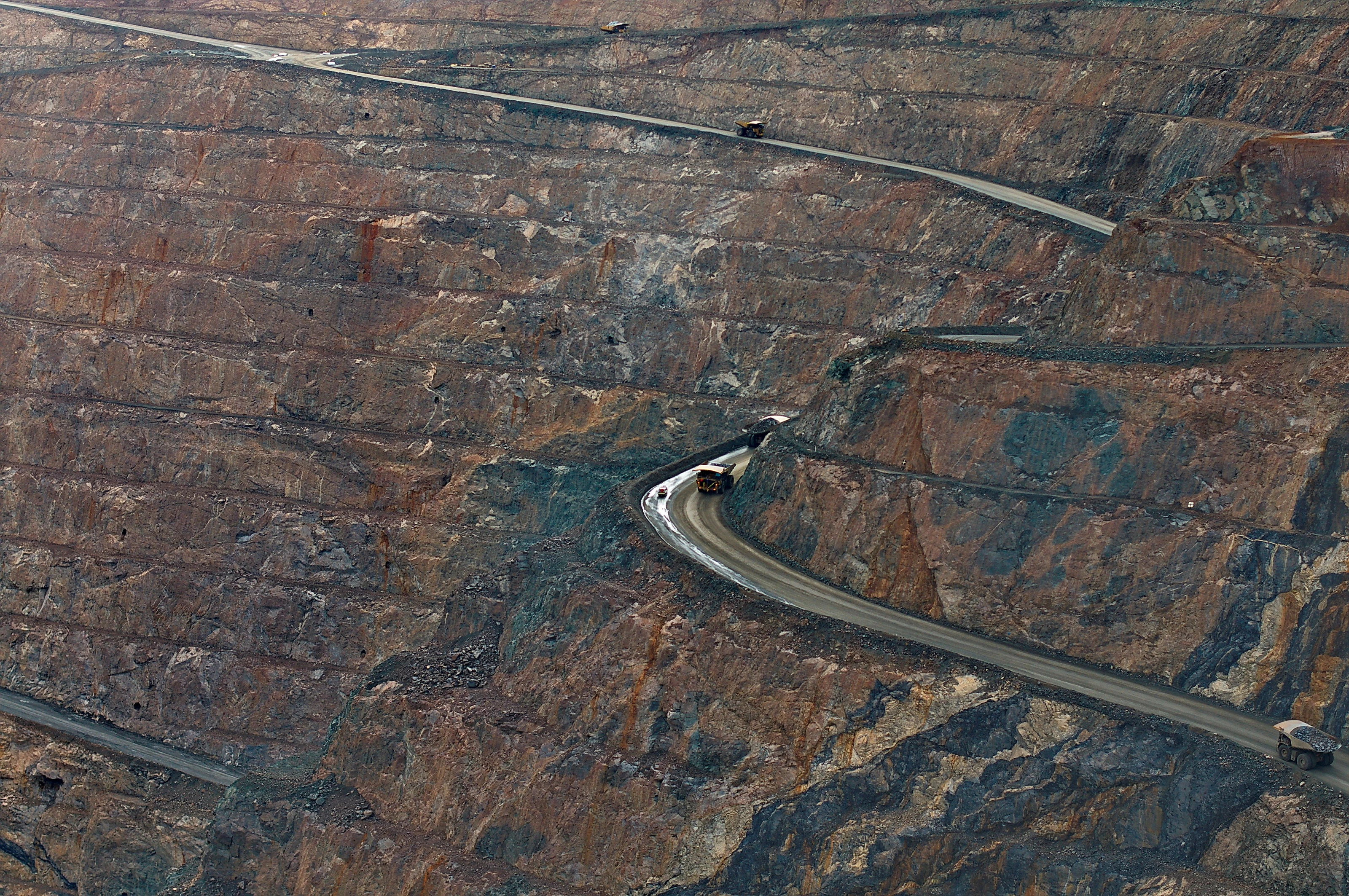
Extraction, processing and mineral recovery.
Experimental ore sorting, separation and recovery methods, supported by new sensing, automation and process control technologies.
Tax offsets for eligible research and development expenditure.
A cash refund, a reduction in company tax, or both.
For eligible R&D expenditure:
Below $20 million aggregated turnover: a refundable offset of 43.5% or 48.5%, depending on the company’s tax rate.
$20 million or more: a non-refundable offset at tiered rates up to 46.5%, depending on the company’s tax rate and R&D expenditure.
If your company is experimenting to solve technical problems that available knowledge cannot resolve, that work should be assessed for R&D eligibility.
Core R&D requires systematic experiments that test a hypothesis, evaluate results and aim to generate new knowledge.
An R&D claim has two parts: the project description and the financial claim.
The project description sets out your R&D activities for registration with AusIndustry. Once a registration number is issued, the related eligible expenditure and tax offset are included in your company’s annual tax return.
The R&D Tax Incentive has strict eligibility and evidence requirements. Applying companies must substantiate every activity and dollar claimed. Unsupported or ineligible claims can be rejected and may lead to repayment, interest and penalties.
Working with an R&D specialist helps identify eligible work, document the experiments and substantiate expenditure. Managing this throughout the year reduces the time your team spends substantiating and submitting the claim.
Sans Peur is not a registered tax agent and does not lodge R&D claims. We work in partnership with independent registered tax agents, recommended by us and engaged directly by the client.
We manage the R&D programme and prepare project descriptions, technical evidence and expenditure analysis. The registered tax agent assesses eligibility and tax treatment and handles lodgement, providing an independent review of the claim’s accuracy and compliance.
Testing a new construction material through controlled experiments where existing knowledge cannot establish whether it will achieve the required performance.
Experimentally developing a production method to overcome a material failure that available engineering knowledge cannot resolve.
Testing a new software architecture to address performance limitations where existing tools and techniques cannot determine whether it will work.
These examples illustrate work that may qualify; each activity requires an eligibility assessment.

Director
Will has founded and operated companies in the construction, manufacturing, design, IT, AI and athlete development industries. Having employed 350+ people over 15 years in business, his extensive background in operations, financial management and his own companies’ R&D claims provides an in-depth understanding of how businesses plan, resource and execute work to solve technical problems.
His experience connects the development work itself with the people, expenditure and business records needed to substantiate an R&D claim. It also informs the ongoing R&D strategy, aligning development priorities, resource allocation and documentation with the company’s technical and commercial objectives.
Contact: will@sanspeurconsulting.com
Director
Doug’s expertise is in the identification and ongoing management of companies’ R&D activities, drawing on 18 years’ experience preparing claims across construction and manufacturing.
His work brings together an understanding of the technical problem, the development and testing of possible solutions, and the evidence needed to substantiate the activities undertaken. This connects the technical account of a project with its supporting records and expenditure.
Contact: doug@sanspeurconsulting.com
Will and Doug bring over 20 years of combined R&D experience, first developed through preparing claims for their own businesses. They understand the financial commitment and operational demands of pursuing a technical outcome that remains uncertain, and the significance of an accurate claim to the company funding that work.
This experience informs their approach to identifying R&D activities and establishing how trials, results, staff time and expenditure are recorded as the work progresses. Capturing this information requires an understanding of how the business operates, who undertakes the development work and where the supporting evidence is held.
The purpose is to accurately capture eligible activities and expenditure, substantiate the claim and give the business a clearer understanding of its investment in R&D.
Enquiries from companies and accountants.


